
WinZero is proud to support local environment groups, including the Southern Highlands Landcare Network. This report comes from their recent visit to the river.
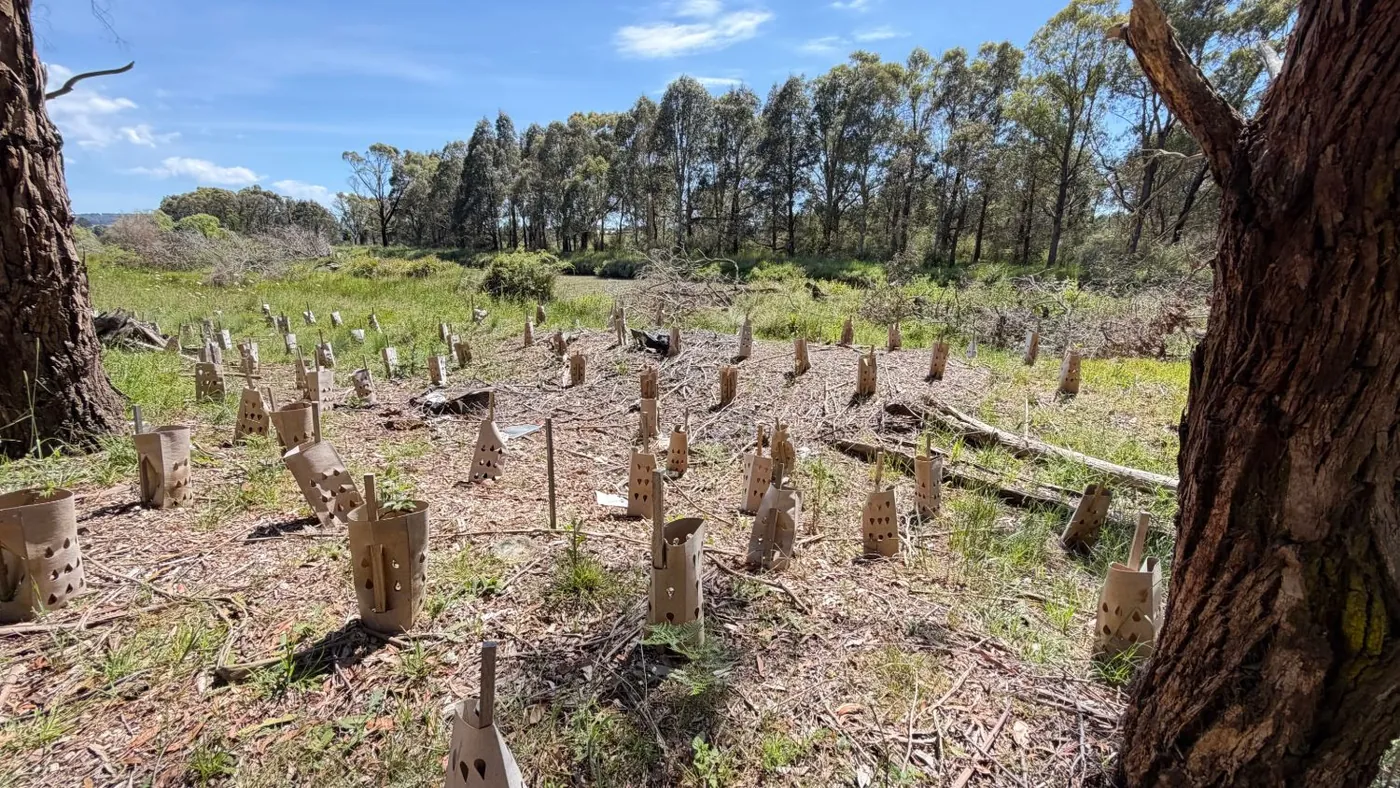
Southern Highlands Landcare Network members recently visited a Wingecarribee Shire Council restoration site along the Wingecarribee River to learn more about the work underway to bring native vegetation back to this important river corridor.
The 6.5-hectare site was previously mostly pasture, with only about one hectare of native vegetation remaining.
Part of a major river restoration project
This work forms part of the $1.39 million Restoring the Wingecarribee River project, funded by the Australian Government’s Natural Heritage Trust under the Urban Rivers and Catchments Program.
Led by Greening Australia, the three-year project brings together Wingecarribee Shire Council, NSW National Parks and Wildlife Service, Southern Highlands Landcare Network and BirdLife Southern Highlands.
Together, the partners aim to restore native vegetation and improve wildlife habitat along 16 kilometres of the Wingecarribee River, building on previous restoration efforts.
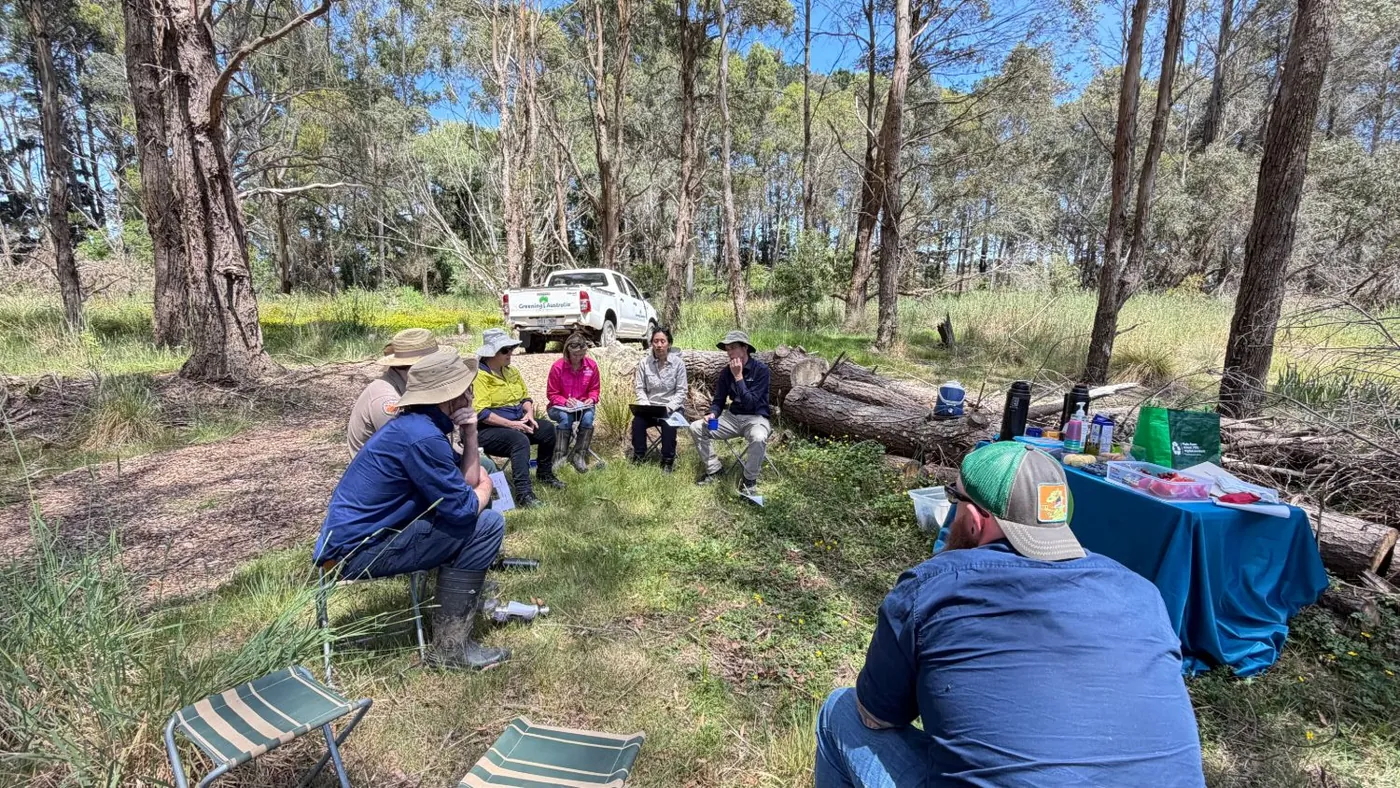
What’s happening at the Council site?
- Around 5,000–6,000 native plants have already been planted, with more planned downstream.
- Blackberry, hawthorn, firethorn and other woody weeds are being progressively removed.
- Around 22 mature pines and willows have been removed, with some of the material recycled to create a walking track.
- Native ground covers, shrubs and canopy trees are being established to restore habitat and improve the health of the river corridor.
Some interesting things we learnt
The restoration site is part of the historically significant Bong Bong area, where the original Old Argyle Road crossed the Wingecarribee River in the early 1800s. Because of its archaeological significance, planting has been carefully managed to protect potential heritage remains.
Council is also moving away from plastic tree guards, using biodegradable cardboard guards and softwood stakes instead. These break down naturally, avoiding the cost and waste of removing thousands of plastic guards.
We also discussed the challenges of encouraging natural regeneration of Paddys River Box (Eucalyptus macarthurii), an important local tree species, and controlling invasive yellow flag iris without destabilising riverbanks.
Restoring our rivers takes more than planting trees. It involves careful weed management, protecting young plants, understanding local ecology and finding practical ways to ensure plantings survive and thrive.
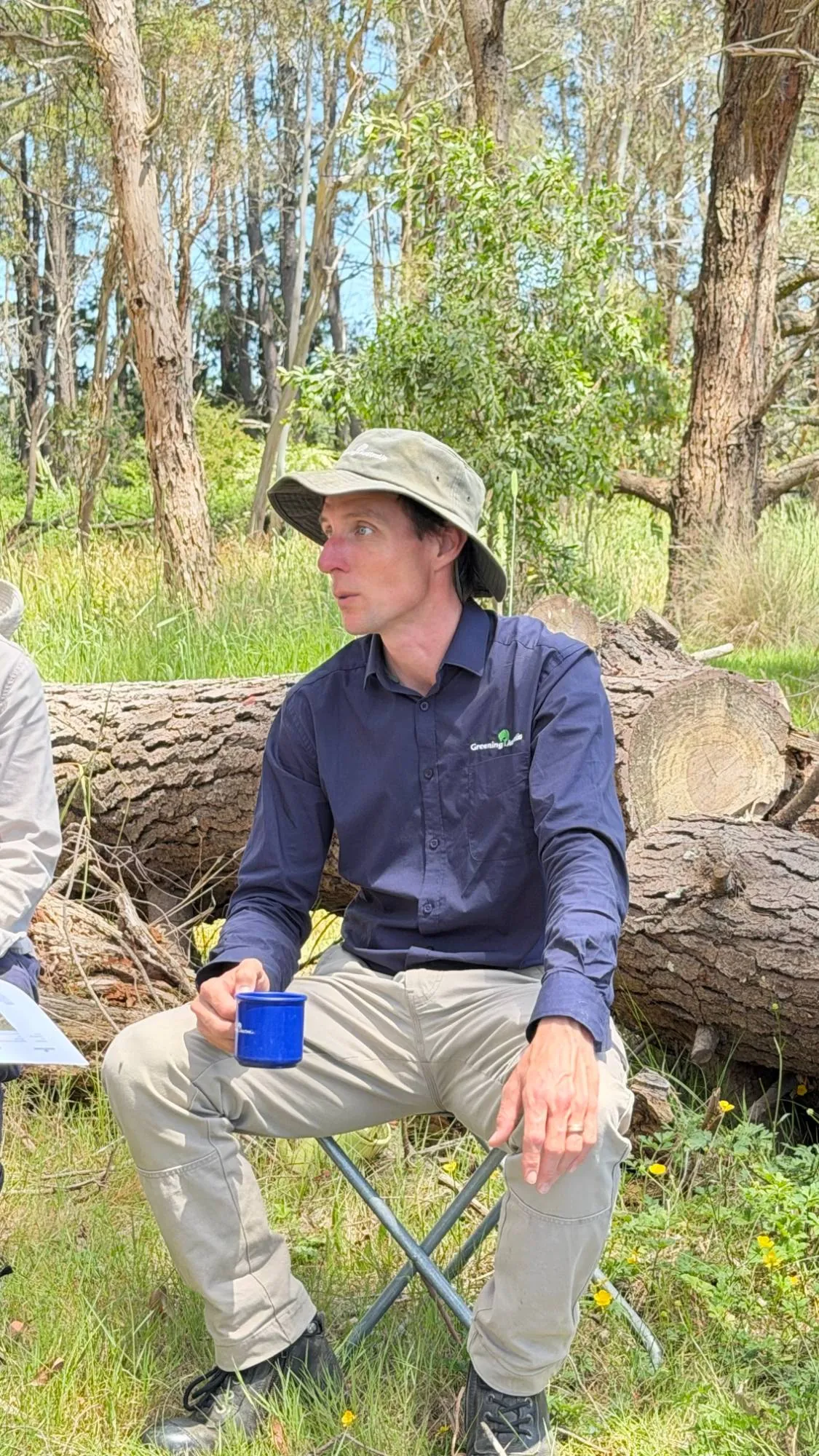
It was a valuable opportunity to see the work firsthand and learn from Council’s experience. Projects like this demonstrate what can be achieved through collaboration between government, conservation organisations, local landholders and community groups.
The grant funding and partnership details are confirmed in the Greening Australia project announcement.